


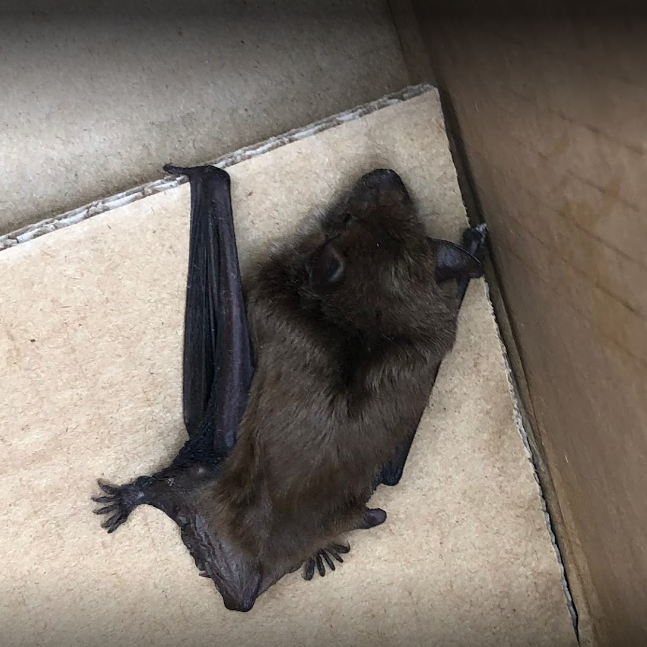
Should you be worried about rabid bats in Michigan?
Yes, bats in Michigan can carry rabies, but that doesn’t mean every bat is a threat. While rabies is a serious and deadly disease, it’s also extremely rare. Out of the thousands of bats tested in Michigan each year, only a small percentage test positive.
Still, it’s important to understand the facts about rabies, know the signs of a sick bat, and take proper precautions if you find a bat in your home or on your property.
What Is Rabies and How Is It Transmitted?
Rabies is a viral disease that affects the central nervous system of mammals, including humans. It’s almost always fatal once symptoms appear.
How is rabies spread?
Rabies is transmitted through:
- Bites from infected animals
- Contact with saliva or nervous tissue through broken skin or mucous membranes (eyes, mouth, nose)
The virus is not airborne, and cannot be contracted by simply being near a bat or touching one with intact skin.
Are Bats a Major Source of Rabies in Michigan?

Bats we safely captured during our bat removal service in Michigan
Common bats in Michigan are one of the primary carriers of rabies, alongside raccoons, skunks, and foxes. However, the risk to humans is low when proper precautions are taken.
Rabies in Michigan Bats – The Data
According to the Michigan Department of Health and Human Services (MDHHS):
- Fewer than 10% of tested bats each year are positive for rabies.
- In 2023, over 2,000 bats were tested, and only about 5% were positive.
- Most bats tested for rabies were involved in potential exposure scenarios (found indoors, near sleeping people, or in contact with pets).
This means the overall percentage of rabid bats is even lower when you consider the total bat population statewide.
What Does a Rabid Bat Look Like?
Most bats in Michigan are healthy, insect-eating mammals that avoid people. But when a bat is acting strange, it could be a sign of disease.
Common signs of a rabid bat:
- Flying during the daytime (bats are nocturnal)
- Lying on the ground, unable to fly
- Acting aggressive or unusually tame
- Difficulty flying or appearing disoriented
- Making odd vocalizations or twitching
⚠️ Never try to handle a bat showing any of these signs. Call a professional bat specialist.
What Should You Do If a Bat Bites You?
A bat bite might not always be obvious. Bats have small teeth, and bites may feel like a pinprick or go unnoticed, especially during sleep.
Immediate steps if you suspect a bat bite or exposure:
- Wash the wound thoroughly with soap and warm water.
- Capture the bat, if safely possible, for rabies testing (without touching it).
- Contact your local health department or healthcare provider.
- If the bat cannot be tested, post-exposure rabies vaccination may be recommended.
Even if you’re unsure about a bite (like waking up to a bat in the room), experts may recommend treatment as a precaution.
Can Pets Get Rabies from Bats in Michigan?
Yes. Unvaccinated pets are at risk if they come into contact with a rabid bat. Michigan law requires rabies vaccinations for dogs, and it’s strongly recommended for cats and ferrets.
Protect your pets:
- Keep rabies vaccinations up to date
- Don’t let pets play with or bring in bats
- Call your vet if you suspect exposure
Where Are Bats with Rabies Most Common in Michigan?
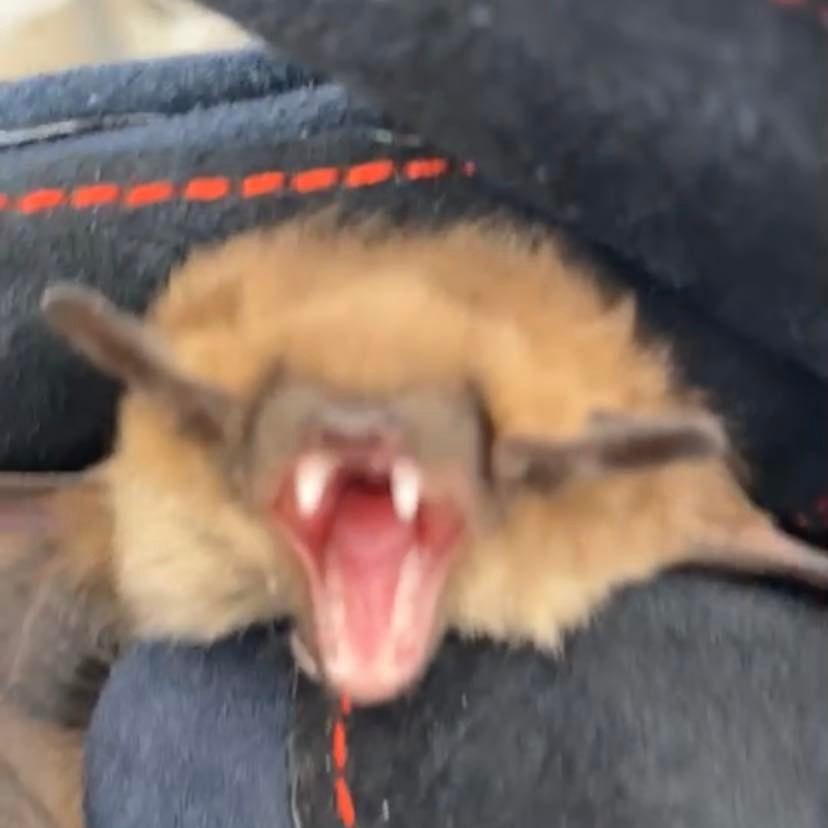

Bats in Michigan
Rabid bats have been found across all regions of Michigan—from the Upper Peninsula to Detroit suburbs. The most common areas include:
- Urban neighborhoods with old homes (attic access)
- Wooded areas near homes or barns
- Buildings with gaps or loose siding
Bats often enter attics, chimneys, and wall voids, especially in summer and fall. Even without contact, having bats in your home increases the risk of accidental exposure.
How to Prevent Bats from Entering Your Home
Prevention is the best protection when it comes to rabies and bats.
Bat-proofing tips:
- Seal gaps in soffits, siding, and rooflines
- Install chimney caps and attic vent screens
- Avoid leaving doors and windows open without screens
- Perform a home inspection during late summer, when pups can fly
The best time to seal entry points is August through October, after the bat maternity season ends.
Michigan’s Bat Expert offers professional bat exclusion services that ensure bats are safely removed and can’t return.
Humane Bat Removal in Michigan – Why It Matters
Bats are protected wildlife in Michigan. That means:
- You cannot poison, trap, or harm bats. Its important to know that it is illegal to kill bats in Michigan.
- Exclusions are seasonally restricted (typically mid-May through late July is off-limits for exclusion due to baby bats).
Hiring a licensed bat removal specialist ensures:
- Safe and humane bat exclusion
- Compliance with state regulations
- Protection from accidental exposure to rabies
- Expert inspection to find all entry points
We use one-way devices to keep bats out of your Michigan home.
When Should You Call a Professional?


Our Michigan’s Bat Expert team during bat removal services
Call Michigan’s Bat Expert if:
- You find a bat indoors (especially in a bedroom)
- You have repeat bat activity in your attic or walls
- You notice guano (bat droppings) in your home or attic
- You want your home professionally sealed and inspected
- You or your pet had any contact with a bat
We serve 17 Counties of Michigan with fast, humane, and expert service backed by years of bat-specific experience.
One of our customers, James Logan Howlett says:
Bat removal and repairs on home to get rid of bats in attic and make sure they do not return. Service was fast and thorough. I have never had thus kind of thing happen before so I am not sure if the price was fair.
Public Health and Rabies Prevention in Michigan
Michigan residents should be aware of rabies risks, but not panic. The state’s public health system provides guidance and support for:
- Testing captured bats for rabies
- Coordinating rabies vaccinations if needed
- Tracking rabies cases across counties
Tip: If you have a bat you suspect is rabid, store it in a secure container in a cool place (not frozen), and contact your local health department immediately.
FAQs About Bat Rabies in Michigan
- How likely is it to get rabies from a bat in Michigan?
- The risk is low. Fewer than 10% of bats tested are rabid. However, due to the seriousness of rabies, any potential exposure should be taken seriously.
- Can a bat bite without you feeling it?
- Yes. Bats have small teeth and bites can go unnoticed, especially during sleep. That’s why waking up in a room with a bat is considered a possible exposure.
- Do all bats have rabies?
- No. Most of them are healthy and bats play a valuable role in the ecosystem. Only a small percentage carry rabies.
- What happens if a rabid bat is found in your home?
- The bat should be safely captured (without touching it) and submitted for testing. Any person or pet who had contact should consult medical professionals for possible treatment.
- Can bats with rabies live long enough to fly?
- Yes. Infected bats can still fly and behave somewhat normally before symptoms worsen. That’s why even a healthy-looking bat can still pose a risk.
Final Thoughts: Stay Safe, Stay Informed
Do bats in Michigan carry rabies?
Yes, but not all of them, and not most of them. The risk is small but serious.
With the right knowledge and expert help, you can stay safe, protect your family and pets, and still respect Michigan’s native bat species.
If you think there may be bats in your home, don’t wait for a problem to escalate. Contact us for a free bat inspection and humane bat removal.
Call Michigan’s Bat Expert (248) 923-4762 today for
- 100% humane and legal bat exclusions
- Comprehensive attic inspections
- Bat-proofing and prevention services
- Peace of mind that your home is safe from risk
Serving safe and humane bat removal in Oakland County, Macomb County, Washtenaw County and 14 more Counties in Michigan.

Sam Sullivan is the owner and lead expert at Michigan’s Bat Expert, specializing in humane bat removal and exclusion services based in Oakland County, Michigan. With years of hands-on experience in wildlife control, Sam has helped countless homeowners and businesses protect their properties from bat and wildlife infestations while adhering to Michigan’s strict wildlife laws.
His expertise lies in exclusion and prevention, ensuring that bats and wildlife are removed safely and never return. Sam is dedicated to ethical and effective solutions, using proven methods that prioritize both property protection and wildlife conservation. His commitment to excellence has made Michigan’s Bat Expert a trusted name in the industry.