



Bats can enter Michigan homes through surprisingly small openings, especially around rooflines, soffits, vents, and chimneys. Understanding what attracts bats to attics—and how they gain access—can help homeowners prevent infestations before they become a larger problem.
Bats play a vital role in Michigan’s ecosystem by controlling insects and aiding plant pollination. However, once they settle in your attic, they can pose serious health risks and cause structural damage. Michigan’s mix of forested areas, fluctuating temperatures, and common architectural gaps in homes make attics a prime target for bat activity.
In this guide, we’ll explain why bats choose Michigan attics, how to recognize signs of bat activity, how homeowners can help prevent bats from getting inside, and when professional bat removal may be necessary.
Why Do Bats Choose Attics in Michigan?
1. Michigan’s Climate and Seasonal Temperatures
Michigan experiences a wide range of temperatures throughout the year. Cold winters drive bats to seek warmth, while warm summers invite maternity colonies to roost and raise their pups. Attics offer insulation, shelter from predators, and stable temperatures—an ideal environment for bats to survive and reproduce.
Key Point: Attics mimic natural cave-like conditions with fewer disturbances, making them perfect roosting spots.
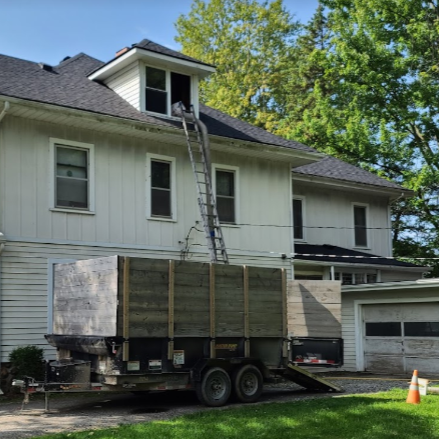

Our customers’ attics (an ideal environment for bats to roost)
2. Availability of Entry Points
Older Michigan homes, especially those built before the 1980s, often have tiny cracks and gaps that go unnoticed by homeowners but are perfectly sized for bats. Even a gap as small as ⅜ of an inch is enough for a bat to squeeze through.
Common Bat Entry Points in Michigan Homes:
- Roofline gaps
- Chimney flashing
- Vents without proper screening
- Loose or damaged soffits and fascia boards
- Gaps around attic windows or louvers
Even a very small opening can provide an access point for a bat, which is why a professional inspection can be helpful when signs of activity are present.
How to Keep Bats Out of Your Attic
Preventing bats from entering your attic starts with identifying and addressing potential entry points before they become a larger problem. Homeowners can take several steps to reduce the likelihood of bat activity:
Inspect the Roofline
Check areas where roofing materials meet walls, chimneys, vents, and other structures. Look for cracks, gaps, loose materials, or damaged flashing that could provide access.
Repair Damaged Soffits and Fascia
Damaged or deteriorating soffits and fascia can create openings along the roofline. Repairing these areas can help eliminate potential entry points.
Screen Attic Vents
Make sure attic vents are properly screened and that existing screens are not damaged or loose.
Check Chimneys and Flashing
Inspect chimney flashing and other roof penetrations for gaps or deterioration that could allow bats to enter.
Do Not Seal Active Bat Entry Points Yourself
If bats are already using your attic, sealing openings without knowing whether the bats have exited can trap them inside. Professional exclusion should be properly timed and carried out using appropriate methods.
Schedule a Professional Inspection
If you notice bats entering or exiting your roofline, unusual attic noises, or signs of guano, a professional inspection can help identify where bats are entering and determine the appropriate next step.
3. Access to Food and Water
Bats are insectivores. Michigan summers bring out mosquitoes, moths, beetles, and other flying insects in droves, especially near lakes, rivers, or marshy areas. Homes located near these water sources are especially attractive to bats looking for nearby food.
Local Insight: In areas like Waterford Township, Sterling Heights, and Bloomfield Hills, where lakes and woodlands are abundant, bat activity in residential areas spikes during warm months.
4. Light and Noise Avoidance
Attics provide the peace and darkness bats need during daylight hours. Unlike barns or sheds, attics are rarely visited, making them safe havens from human activity and predators like hawks and owls.
Common Bat Species Found in Michigan Attics
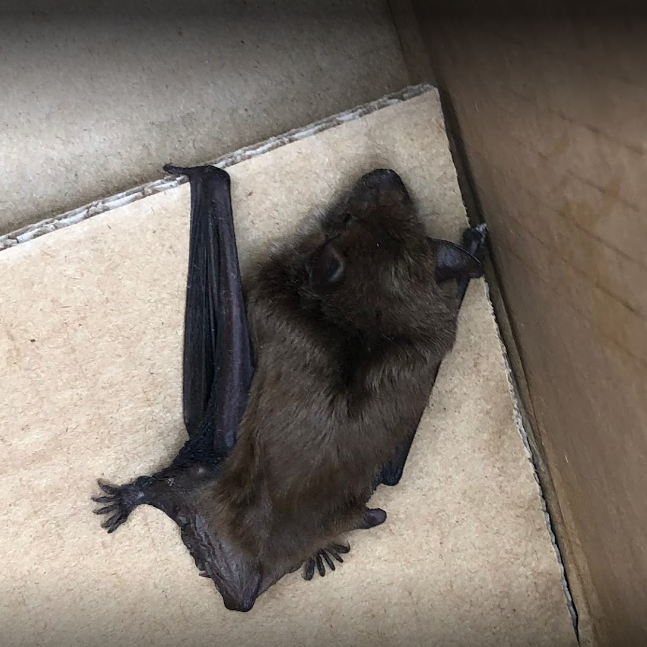

Big Brown Bats we safely caught during our bat removal services in Michigan
Common bat species in Michigan are known to roost in homes, particularly during spring and summer. The most common attic invaders include:
Big Brown Bat (Eptesicus fuscus)
- The most common species found in Michigan attics
- Forms colonies in walls and attic insulation
- Can hibernate inside homes during winter
Little Brown Bat (Myotis lucifugus)
- Often found in maternity colonies during spring and early summer
- Prefers moist environments—homes near lakes or wetlands are at higher risk
Eastern Pipistrelle (Perimyotis subflavus)
- Less common, but occasionally roosts in warm attic spaces
- Smaller colonies, often unnoticed until guano becomes apparent
Seasonal Bat Behavior in Michigan
Understanding the seasonal patterns of bats in Michigan can help you identify when your home is most at risk for an infestation.
| Season | Bat Behavior |
|---|---|
| Spring (Apr–Jun): Scouting Season | As bats emerge from hibernation, they scout for summer roosting sites. Attics become a target during March through May, especially in homes with easy access and stable temperatures. |
| Summer (Jun–Aug): Maternity Colonies | Female bats give birth and raise pups between June and August. During this time, colonies can grow quickly, and noise from baby bats may become noticeable. |
| Fall (Sep–Nov): Preparation for Hibernation | Bats start searching for safe places to hibernate. Homes with heated attics may become overwintering sites. |
| Winter (Dec–Mar): Hibernation Period | Hibernation begins; some bats may remain in attics if conditions are stable |
Homeowners often hear scratching, fluttering, or squeaking sounds at night during these active seasons—key signs of bat activity.
Signs You May Have Bats in Your Michigan Attic
If you’re wondering whether bats have made your attic their home, look for these signs of a bat infestation:
- Scratching or fluttering noises at dusk or dawn
- Piles of bat guano (resembling mouse droppings but often found in clusters)
- Stains or grease marks near entry points
- Ammonia-like smell from accumulated urine
- Sightings of bats near your roofline at dusk
Pro Tip: Use a flashlight or infrared camera at sunset to watch for bat emergence.
Why You Should Be Concerned About Bats in the Attic
Even though bats are beneficial for insect control, they pose serious concerns:
Health Risks
- Histoplasmosis from bat guano spores
- Potential rabies exposure (though rare)
- Contamination of insulation and air ducts


Bat Guano droppings in Michigan can cause health risks and property damage
Property Damage
- Urine and guano staining the ceilings or walls
- Structural weakening from long-term moisture buildup
- Expensive insulation replacement
Legal Considerations: Bat Removal Laws in Michigan
Michigan protects bats, particularly during their maternity season. It is illegal to kill bats during certain times of the year, which is why you need a bat specialist for safe removal. Michigan’s Bat Expert is fully licensed and compliant with all wildlife regulations.
What to Do If You Have Bats in Your Attic
If you suspect or confirm a bat infestation:
- Do not attempt to remove them yourself.
- Contact a licensed bat removal professional. Michigan’s Bat Expert has over 30 years of experience handling bat problems safely and legally.
- Schedule an inspection. We’ll identify where and how bats are getting in.
- Perform humane live bat exclusion. Our process ensures no bats are harmed, and your home is protected long-term.
- Guano cleanup and sanitization. We’ll remove all waste and perform expert attic restoration to ensure a clean and safe condition of your Michigan home.
Why You Should Call a Professional for Bat Removal
Bat removal is not a DIY job. It requires:
- Timing (it’s best to know the best time to remove bats to avoid violating wildlife laws)
- Proper exclusion techniques
- Full inspection of attic conditions
- Sanitization and guano cleanup
Michigan’s Bat Expert uses safe, humane exclusion practices aligned with Michigan DNR guidelines. We also provide attic restoration services if damage has occurred.

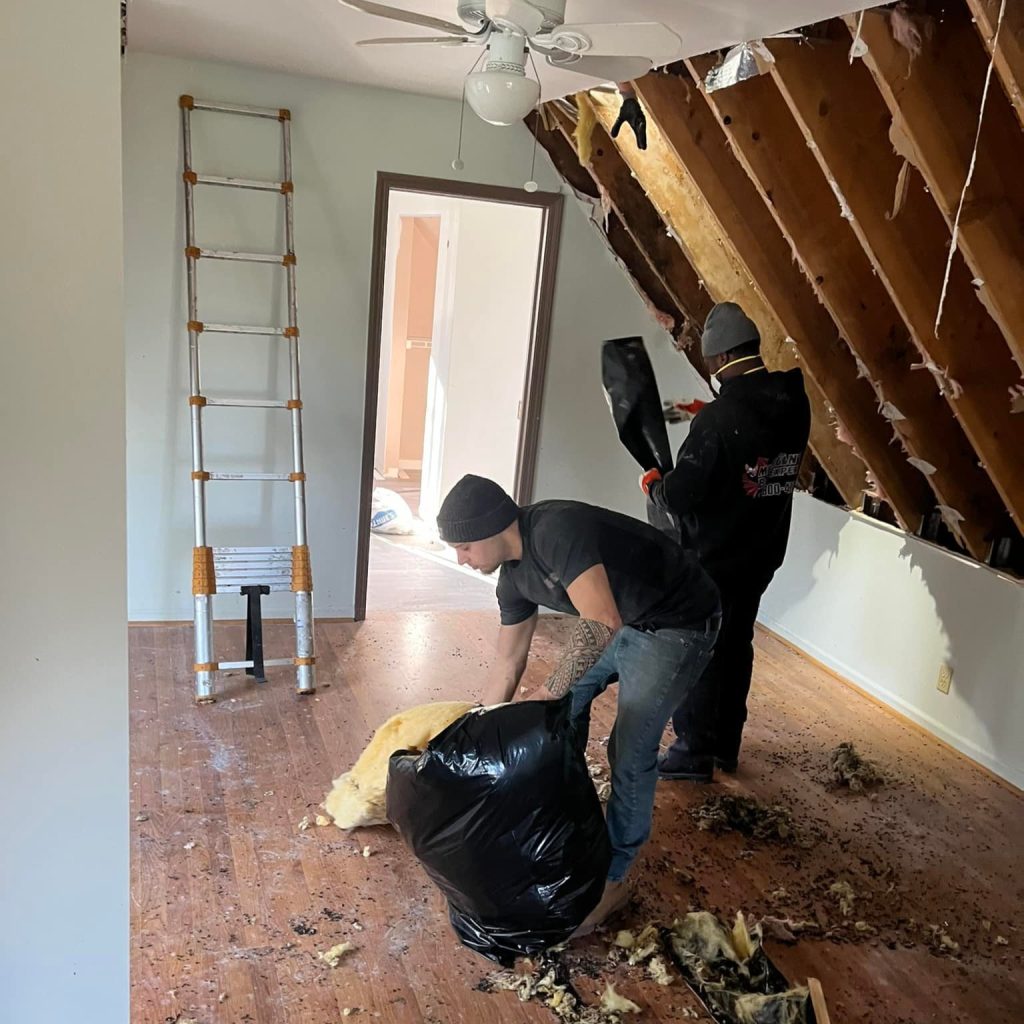
Our live bat exclusion and attic restoration services
We serve professional bat removal in Troy, Waterford Township, Sterling Heights, and all surrounding areas.
One of our amazing customers happily says:

Frequently Asked Questions (FAQs)
- Will bats go away on their own?
- No. Once bats find a suitable roosting spot, they will return year after year unless professionally excluded.
- Can I just wait until winter to seal the attic?
- Timing is crucial. Sealing too early or too late can either trap bats or invite new ones in. Let a professional handle the process safely and legally.
- How much does bat removal cost in Michigan?
- Costs vary based on the size of the colony and attic damage. We offer free estimates for all local residents.
- What should I do if I find a bat flying in my home?
- Open a window and close interior doors to guide it out. Do not touch the bat. If it doesn’t leave, call us for emergency removal.
- Are bats in my attic dangerous to pets?
- Yes. Pets can be exposed to bat parasites or even rabies. Keep pets out of the attic and contact a bat removal specialist.
If you’re dealing with bats in your attic in Troy, MI, professional inspection and exclusion can help identify entry points and prevent bats from returning.
Final Thoughts
If you’re wondering, “What attracts bats to attics in Michigan?”—the answer lies in a combination of shelter, warmth, easy access, and abundant food sources. Understanding these attractants is key to prevention. But if bats have already moved in, the safest and most effective solution is professional bat removal and exclusion.
🦇 Don’t Wait, Protect Your Home Today!
Contact Michigan’s Bat Expert (248) 923-4762 for a fast, humane, and legal solution to your bat problem. We’ll restore your peace of mind and your attic.

Sam Sullivan is the owner and lead expert at Michigan’s Bat Expert, specializing in humane bat removal and exclusion services based in Oakland County, Michigan. With years of hands-on experience in wildlife control, Sam has helped countless homeowners and businesses protect their properties from bat and wildlife infestations while adhering to Michigan’s strict wildlife laws.
His expertise lies in exclusion and prevention, ensuring that bats and wildlife are removed safely and never return. Sam is dedicated to ethical and effective solutions, using proven methods that prioritize both property protection and wildlife conservation. His commitment to excellence has made Michigan’s Bat Expert a trusted name in the industry.