

Have you ever wondered what happens after wildlife sneaks into your attic or walls?
It’s not just the noise or the mess, the real danger often lies in what you can’t see.
Across Michigan, families face serious health risks from bat guano, raccoon feces, and rodent infestations without even realizing it.
What starts as a small scratching sound can quickly become a threat to your health, air quality, and home safety.

1. Airborne Diseases from Droppings
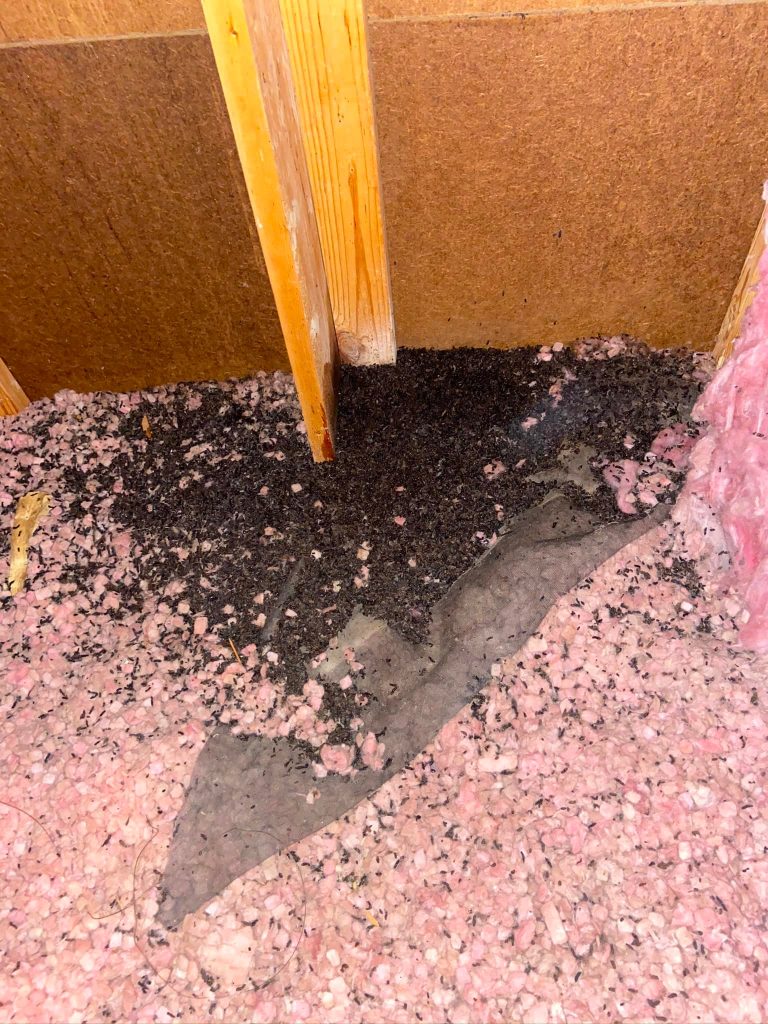
When wildlife such as bats, squirrels, or raccoons make themselves at home in your attic, they leave behind droppings that carry dangerous pathogens.
As these droppings dry, they release microscopic spores into the air — spores that can spread throughout your ventilation system.
Common Diseases Linked to Wildlife:
- Histoplasmosis: Caused by fungal spores in bat guano. Symptoms mimic pneumonia and can become life-threatening if untreated.
- Leptospirosis: Found in raccoon or rodent urine. Can cause fever, muscle pain, and kidney damage.
- Salmonella: Transmitted through contact with animal waste or contaminated surfaces.
Even if you can’t see contamination, the air inside your home could be circulating invisible, harmful particles.
2. Parasites and Mites
Wild animals often carry fleas, ticks, and mites that can spread through your home.
These parasites don’t always leave when the animals do, they linger, multiply, and target pets and humans.
Michigan’s Bat Expert technicians often find parasite nests hidden in insulation or behind walls, especially after long-term infestations.
3. Fire and Electrical Hazards
Squirrels and raccoons are notorious for chewing through electrical wiring.
Frayed wires hidden behind walls or in attics can spark fires without warning — one of the most dangerous consequences of wildlife activity.
The U.S. Fire Administration reports that rodents cause up to 20% of undetermined home fires each year, a risk that’s entirely preventable with professional inspection and exclusion.
4. Contaminated Insulation and Air Ducts
Once animals have nested in your attic, your insulation is no longer safe.
Urine and droppings seep into materials, breaking down fibers and reducing your home’s energy efficiency while spreading odor and bacteria.
That’s why Michigan’s Bat Expert provides full attic restoration, removing contaminated insulation, sanitizing affected areas, and installing clean, safe materials.
How Michigan’s Bat Expert Keeps You Safe
Our humane wildlife removal process is designed to protect both your home and your health.
Here’s what sets us apart:
Comprehensive Inspection – We find every entry point and nesting area.
Safe, Humane Exclusion – Animals exit through one-way doors with no harm.
Professional Sanitation – We remove droppings, disinfect, and restore insulation.
Permanent Prevention – Entry points are sealed to stop future invasions.
Every service follows Michigan DNR and federal wildlife safety standards, so you stay protected and compliant.

Don’t Wait Until It Becomes a Health Hazard
Ignoring wildlife in your home isn’t just inconvenient , it’s dangerous.
The longer they stay, the greater the risk to your home’s structure, air quality, and your family’s health.
Call Michigan’s Bat Expert today at (248) 923-4762 for a professional, humane inspection and removal service — before a small problem turns into a serious health threat.

Sam Sullivan is the owner and lead expert at Michigan’s Bat Expert, specializing in humane bat removal and exclusion services based in Oakland County, Michigan. With years of hands-on experience in wildlife control, Sam has helped countless homeowners and businesses protect their properties from bat and wildlife infestations while adhering to Michigan’s strict wildlife laws.
His expertise lies in exclusion and prevention, ensuring that bats and wildlife are removed safely and never return. Sam is dedicated to ethical and effective solutions, using proven methods that prioritize both property protection and wildlife conservation. His commitment to excellence has made Michigan’s Bat Expert a trusted name in the industry.